


In our modern world, this problem is very acute and widespread among both men and women.We will try to reveal the causes and predisposing factors, we will also talk about the treatment methods and medicines for varicose veins.
Varicose veins are a disease of the veins characterized by their enlargement, deformation and loss of elasticity.The superficial veins of the lower limbs, the venous plexus of the rectum (golden vein), the veins of the collar system and the spermatic cord are most often affected.
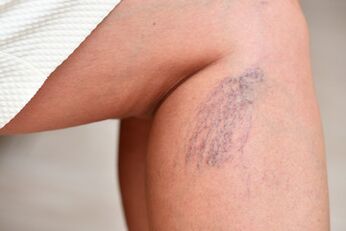
Predisposing factors
Conditions that contribute to difficulty in the outflow of blood through the venous system, namely:
- systematic standing for a long time related to professional activity (waiters, pharmacists, hairdressers, salespeople, etc.);
- compression of the pelvic veins by the pregnant uterus;
- congestion in the veins of the pelvis, for example, with chronic constipation, sedentary work;
- congenital weakness of the venous wall and insufficiency of the venous valves;
- surgical intervention (arteriovenous bypass);
- hormonal imbalance (menopause, estrogen intake);
- overweight.
It is important that the true causes of varicose veins are not known.This disease is progressive and refers to irreversible changes in the venous vessels.
If we are talking about varicose veins in the lower extremities, they are also a cosmetic problem for women.Varicose veins appear visible or swollen under the skin as twisted cords or knots (varicose veins).The skin on them becomes thin and easily damaged, this is due to a violation of nutrition.First, dark brown or brown spots appear on the skin, then the blood vessels twist and lift the skin.Over time, if the skin is not properly nourished, trophic ulcers may develop.Varicose veins are almost always accompanied by swelling of the limbs, which appears towards the end of the day.This condition leads to rapid fatigue of the legs while walking, a heavy feeling and pain in the legs, which intensifies in the evening.In the absence of adequate treatment, the disease progresses and the swelling of the limbs increases.Due to the slowing down of blood flow, inflammatory processes can occur in dilated veins, which lead to their blockage.
Thus, the stages of varicose veins:
- 1 "heavy" leg syndrome;
- 2 persistent swelling develops, accompanied by damage to skin pigmentation and stagnant dermatitis;
- 3 trophic ulcers appear.
Symptoms of varicose veins of the lower extremities
- rapid fatigue of the legs while walking;
- cramps at night;
- feeling of heaviness in the legs;
- pain in the legs, worse in the evening;
- tension in legs;
- fast heartbeat and shortness of breath.These symptoms occur when the load on the heart muscle increases due to blood accumulating in the venous bed.
Let's see when varicose veins are localized in other organs:
Esophageal varicose veins
Esophageal varicose veins are characterized by tortuous and sac-like growth of the vessels.The cause of the disease is portal hypertension.
Manifestations:
- inflammation of the esophagus;
- burning, belching;
- anemia;
- difficulty swallowing.
Complications such as significant venous bleeding may occur.The patient develops hemoptysis, hypotension, tachycardia and confusion.
Uterine varicose veins
Reasons:
- increased physical activity;
- chronic constipation;
- pregnancy;
- taking hormonal contraceptives;
- developmental disorders;
- abortions.
Symptoms include lower abdominal pain and menstrual irregularities.Infertility is a dangerous complication.
Varicose veins of the labia
It most often occurs in the second month of pregnancy.Predisposing factors are the presence of pelvic vein thrombosis or congenital angiodysplasia.
Manifestations:
- dilated veins of the vulva;
- scratching of the skin and swelling;
- bursting pain in perineum.
The development of acute thrombophlebitis and rupture of the damaged vessel is possible.
Varicose veins of the pelvis
In the initial stage, it appears as a nagging pain in the lower abdomen.There are several variants of this form of the disease:
- varicose veins of the perineum and vulva;
- pelvic venous congestion: pain during intercourse, dysmenorrhoea, difficulty urinating.
Clinical manifestations of pathology are observed in 30% of women during pregnancy.This disease is observed exclusively in women.
Varicose veins of the spermatic cord (varicocele)
Venous outflow from the testes is interrupted due to varicose veins of the spermatic cord.Patients notice nagging pain in the scrotum and erectile dysfunction.Examination of the testicles shows dilated superficial veins and asymmetry of the scrotum.
Reasons:
- increased physical activity;
- congenital connective tissue deficiency;
- tumors in the retroperitoneum or pelvis.
As the disease progresses, possible complications are spermatogenesis, which leads to infertility.
Varicose dermatitis
This disease is manifested by thinning and itching of the skin over the affected veins.In places of inflammation, dark or light-colored spots and peeling appear.The main localization of venous dermatitis is the area of the lower leg and ankle joint.The danger is that patients will scratch the itchy areas and the pathological process will spread to healthy tissues.If you do not resort to treatment, the inflammation turns into varicose eczema.
Varicose eczema
The inflammation is persistent with periods of remission and relapse.Skin lesions are difficult to treat even after venectomy.Due to damage to the microcirculation of the skin, the liquid part of the blood passes through the walls of the affected blood vessels.Swollen and weeping areas appear in the area above the varicose veins.
Blisters with serous or serous-purulent content appear on the legs.When scratching, an infection develops in the wounds.Small bubbles that coalesce form papules.After opening the blister, a crust appears.The healing site is thinned and covered with scales.During the period of exacerbation, blisters appear again.The progression of the pathology leads to the development of trophic ulcers.
Spider veins
Spider veins - telangiectasia.It is characterized by damage and expansion of small subcutaneous vessels.They appear as a network of purple or red veins on the skin.In general, it can be said that this is not an independent disease, but acts as a cosmetic defect.
Reasons:
- venous insufficiency;
- connective tissue diseases;
- pathologies of the hepatobiliary system;
- use of hormonal drugs;
- diseases of the endocrine system.
Vascular networkit can be localized on the legs, face or buttocks.Manifestations of the vascular network on the face are called rosacea.
Reasons:
- violation of the rheological properties of blood;
- arterial hypertension;
- diseases of the digestive system;
- the special effect of low temperature on the skin of the face;
- during alcohol consumption.
Hormonal changes are a common cause of rosacea in women, and it is eliminated by laser coagulation.
In the case of varicose veins, preventive measures are of great importance:
- wearing comfortable shoes and non-tight underwear;
- if there is a predisposing factor or disease in the initial stage, it is necessary to limit or eliminate static load and prolonged standing;
- moderate physical activity;
- taking vitamins: C, E, PP;
- balanced diet.
Of course, in the modern world, it is impossible to follow the recommendations to limit or eliminate static loads, as well as to stay on your feet for a long time, so during the day you need to use short gymnastics, as well as use massage services.Wearing elastic bandages and compression clothing is also mandatory.
Diagnostics
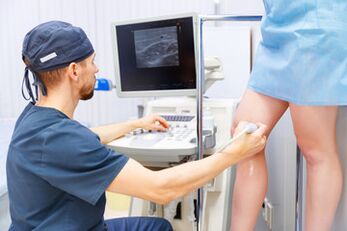
A comprehensive diagnosis is carried out using laboratory methods for testing blood and urine (detection of reflux in the saphenous veins, functional tests) and ultrasound tests: ultrasound duplex or triplex scanning;X-ray contrast venography;magnetic resonance venography;multispiral computerized angiography with contrast.
Treatment
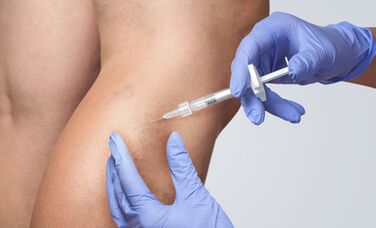
After receiving the diagnostic results, the phlebologist (angiosurgeon) makes a decision on the use of treatment methods - surgery or conservative therapy.
When affecting the veins of the lower limbs, use:
- surgical intervention, for example, phleboectomy - removal of a particular vein;
- sclerosing therapy;
- conservative treatment.
Systemic drug therapy
- Antibiotics.(prescribed in the presence of inflammatory processes and trophic ulcers;
- Antiseptics;
- Phleboprotectors;
- Stimulators of tissue regeneration;
- Anticoagulants;
- Topical steroids (prescribed for trophic ulcers);
- Externally - drugs containing heparin.
In this article, we will deal in detail with phleboprotectors and external agents used in the treatment of varicose veins.
Phleboprotectors (Phlebotonics) are a group of drugs used to treat venous insufficiency.It increases blood circulation, thereby normalizing the permeability of blood vessels, reducing swelling and eliminating the feeling of heaviness.It is important to use them in the initial stages of the disease or to prevent exacerbations;in the case of progressive forms, several treatment courses are prescribed in different groups.
Overview of medications used to treat varicose veins.
Natural remedy based on red grape leaf extract.It is able to protect the walls of blood vessels and capillaries, improves their elasticity, and normalizes the permeability of blood vessels.
The product provides increased protection of the walls of blood vessels and capillaries.The drug relieves swelling and prevents its recurrence, as it blocks the permeability of water, proteins and plasma through the walls of blood vessels, thereby restoring their natural density.
Recommended:
- prevention and symptomatic treatment of chronic venous insufficiency;
- swelling of the lower limbs;
- with a feeling of heaviness and fatigue in the lower limbs.
Contraindicated:
- people with allergies to one of the components of the composition.
Take 1 capsule after waking up.The doctor may increase the dose to 2 capsules.
Diosmin
The drug is available in tablet form and is sold without a prescription.It refers to venotonic and angioprotective agents.Diosmin increases the tone of the veins, reduces venous congestion, improves capillary permeability and microcirculation.It has an anti-swelling effect.
Recommended:
- varicose veins in the limbs and pelvis;
- complex therapy of hemorrhoids;
- signs of venous insufficiency, lymphatic flow disorders.
Contraindicated:
- with hypersensitivity to components;
- children and adolescents up to 18 years of age.
Side effects may include mild indigestion and headache.Take 1 tablet in the morning.The duration of treatment can be quite long, but usually does not exceed 2 months.
Troxerutinrelieves swelling, normalizes microcirculation and strengthens the walls of blood vessels.It has an anti-inflammatory and antioxidant effect.
Recommended:
- chronic venous insufficiency, at any stage of the disease;
- varicose veins;
- superficial thrombophlebitis;
- periphlebitis, phlebothrombosis;
- varicose dermatitis;
- postthrombotic syndrome;
- hemorrhoids;
- post-traumatic edema and hematomas;
- hemorrhagic diathesis with increased capillary permeability;
- as a prophylactic agent after vein operations.
Troxerutin is used in combination with ascorbic acid to enhance its effect after venous surgery.
Contraindicated:
- with hypersensitivity;
- stomach and duodenal ulcers;
- chronic gastritis (in the acute phase).
Not suitable for adults, pregnant women in the first trimester or nursing mothers.The drug Troxerutin should not be used if you have problems with the gastrointestinal tract.In the active phase of the fight against the disease, 1 capsule is prescribed three times a day with meals.In order to maintain the effectiveness of the treatment, the product is applied twice a day.
Rutosideit has an anti-inflammatory effect and fights swelling and heaviness in the legs.The peculiarity of the drug is that it works with blood cells, promoting permeability.Thus, the anti-varicose drug helps in the fight against venous microthrombosis.
Recommended:
- chronic venous insufficiency;
- postphlebitic syndrome;
- trophic disorders in varicose veins, trophic ulcers;
- hemorrhoids (pain, discharge, itching and bleeding);
- venous insufficiency and hemorrhoids during pregnancy, starting from the second trimester.
Contraindicated:
- during pregnancy, for 1-3 months.
The capsules are used 2-3 times a day, one at a time.
TribenozideIt is available in the form of capsules and dragees.It has an anti-swelling and anti-inflammatory effect and improves the permeability of blood vessels.
Recommended:
- varicose veins of the lower limbs, including the second and subsequent stages;
- symptoms of CVI, namely: lymphostasis, blood stasis, pain, heaviness, swelling in the calf area, especially in the evening;
- phlebitis, periphlebitis, postoperative period;
- trophic ulcers;
- hemorrhoids in chronic and acute phase.
Contraindicated:
- 4-12 month pregnant women and lactating women.
The capsules should be taken twice a day at regular intervals.
Diosmin with hesperidin,The medicine is available in the form of film-coated tablets and is available without a prescription.The main active ingredients are diosmin and hesperidin.They belong to the group of venotonic substances and angioprotective drugs.They help to restore the tone of the venous walls and improve the blood flow in the veins, normalizing the functioning of the valves.
Indications for use:
- hemorrhoids;
- varicose veins of the limbs and pelvis;
- chronic venous insufficiency, including trophic ulcers.
The drug is contraindicated in case of allergic reactions to the components and during breastfeeding.Side effects include only mild dyspepsia and skin rash.The drug is recommended for complex and course use.
External remedies for complex treatment of varicose veins
Ointments and gels are used as external agents.First of all, an anti-inflammatory and pain-relieving effect must be ensured;non-steroidal anti-inflammatory drugs as well as general steroid drugs are used for this purpose.
Non-steroidal anti-inflammatory drugs (NSAIDs):
- Ketorolac;
- ketoprofen;
- ibuprofen;
- Nimesulide gel;
- diclofenac;
All of them have a strong anti-inflammatory effect, eliminate pain, discomfort and heaviness.It is used 1-3 times a day, depending on the stage of the disease, with a circular massage.Contraindicated in case of trophic ulcers and open wounds.
Steroid drugs are used in special cases.If NSAIDs are ineffective.
Prednisolone and its analogues.Inflammation and pain are alleviated, and nutrition of local tissues is improved.It is not used in large quantities as it can cause general side effects.
Swelling relief:
Medicines based on corticosteroids are used.Restoration of normal blood flow in legs with varicose veins by stimulating the contraction of the vessel walls:
- troxerutin;
- Diosmin;
- Rutoside.
Narrow pain-relieving external drugs are rarely used, due to their limited effect, they do not eliminate the cause, but work with the symptoms:
- diclofenac;
- Ketoprofen.
Medicines containing heparin also contain corticosteroids in addition to heparin.
Complex ointments for the treatment of varicose veins of the legs
These drugs have a systemic effect:
- Heparin sodium (used to relieve swelling and pain, improve local blood flow, prevent blood clot formation. It has a rapid therapeutic effect: it is achieved on the second or third day of use).
- Troxerutin.It relieves pain, swelling, and inflammation, normalizes the condition of the veins, ensures proper venous and lymphatic drainage, and prevents blood clots.
- Escin.Prescribed in the early stages of leg varicose veins, it is almost ineffective in the later stages.It is of plant origin.
The principles of therapy with external drugs:
- do not self-medicate, but seek help from a phlebologist;
- strictly follow the instructions for use;
- analyze the result of treatment effectiveness after 10 days from the date of treatment.
However, even with the combined use of tablets and ointments and gels for external use, quick results should not be expected, everything depends on the progression and stage of the disease and the presence of concomitant diseases.
In conclusion, I would like to note that drugs against varicose veins in different places are not able to completely stop the disease and prevent complications.In the early stages of the disease, venotonic and angioprotective agents help to normalize blood flow in the lower limbs, eliminating symptoms such as swelling, leg fatigue and spider veins, protruding tortuous superficial veins.All these drugs are only part of the treatment, which is directly related to lifestyle and nutrition.In the progressive stage, microsurgical and minimally invasive interventions are recommended while taking medications that improve treatment results.